

Paris - 99 rue de pronyCmc ambroise pare hartmann site 25
Neuilly-sur-Seine - 25 boulevard victor hugo
Présentation
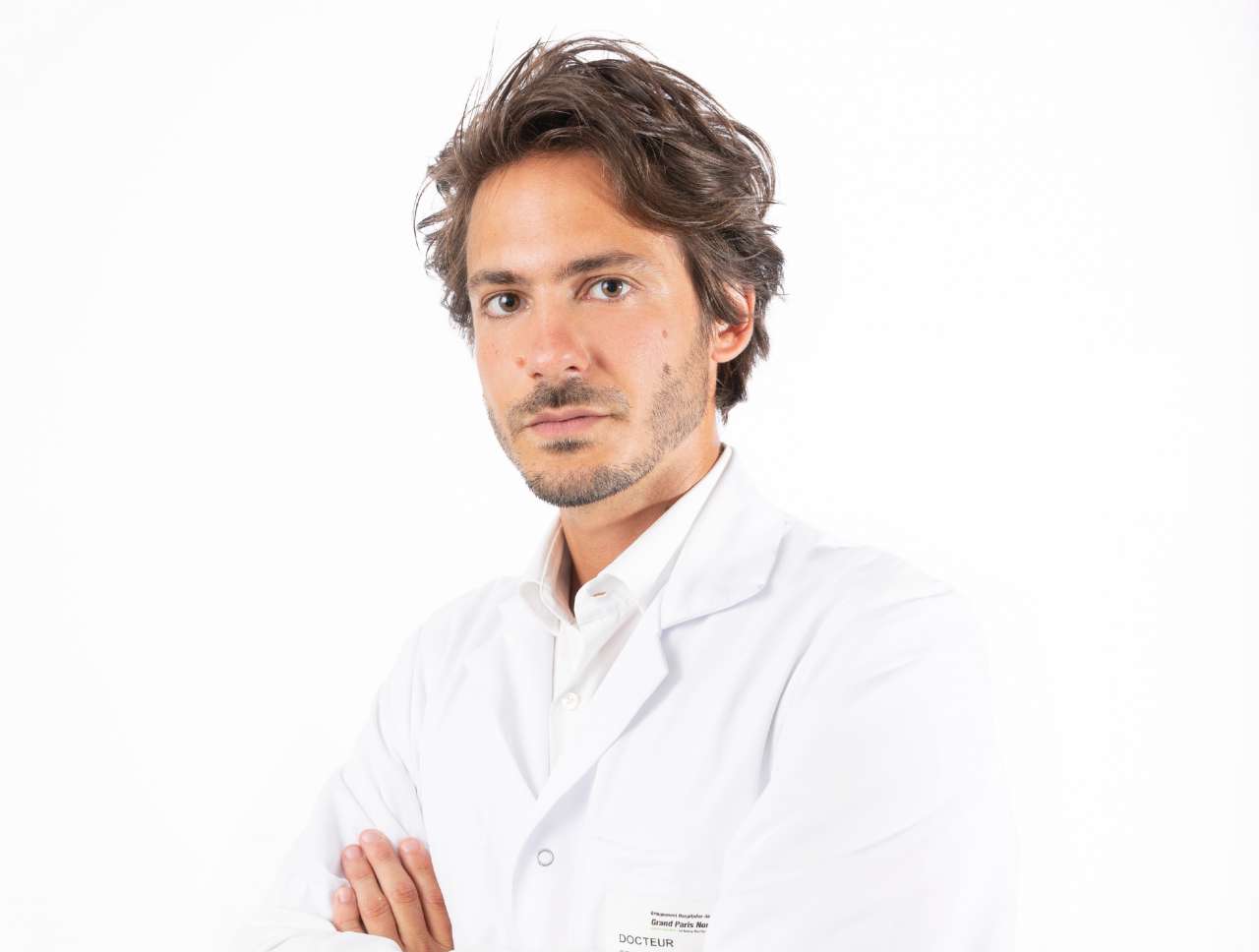
Docteur STRUK SAMUEL est chirurgien-plastique-et-esthetique au 25 25-27 Boulevard VICTOR HUGO 92200 Neuilly-sur-seine.
Site internet du praticien https://docteurstruk.fr/
Informations complémentaires
Dr Samuel Struk – Chirurgien Plasticien, Spécialiste exclusif de la Chirurgie du Sein à Paris 17
Expert en Chirurgie Plastique, Reconstructrice et Esthétique, le Dr Samuel Struk se consacre exclusivement à la chirurgie mammaire. Cette hyper-spécialisation lui permet de proposer une prise en charge sur mesure, alliant la précision de la microchirurgie reconstructrice aux exigences de la chirurgie esthétique.
Son approche repose sur une écoute attentive, une analyse morphologique rigoureuse et l'utilisation de techniques de pointe (comme les implants ergonomiques de dernière génération ou le lipofilling) pour offrir à ses patientes un résultat naturel, harmonieux et stable dans le temps.
Le Dr Struk vous accompagne pour l'ensemble des interventions touchant à la sphère mammaire :
Chirurgie esthétique du sein : Augmentation mammaire (prothèses et lipofilling / transfert de graisse), lifting mammaire (mastopexie) avec ou sans implant, asymétrie mammaire et seins tubéreux.
Chirurgie réparatrice et fonctionnelle : Réduction mammaire (prise en charge possible par la Sécurité Sociale) et correction de gynécomastie/adipomastie chez l'homme.
Reconstruction mammaire post-cancer : Reconstruction par microchirurgie (lambeaux DIEP, PAP), reconstruction par prothèse, et reconstruction immédiate ou secondaire.
Chirurgie mammaire secondaire : Changement ou retrait d'implants (coque, rupture, malposition).
Le Dr Samuel Struk bénéficie d'une solide formation acquise au sein des établissements les plus prestigieux de France.
Ancien Assistant Spécialiste à l'Institut Gustave Roussy (1er centre européen de lutte contre le cancer).
Praticien Attaché à l'Institut Curie (Paris/Saint-Cloud), centre de référence en cancérologie et reconstruction mammaire.
Chirurgien esthétique à la Clinique Ambroise Paré (Neuilly-sur-Seine), classée parmi les meilleures cliniques de France.
Très actif dans la recherche scientifique, le Dr Struk est l'auteur de nombreuses publications médicales internationales (référencées sur Google Scholar, ResearchGate et ORCID) et participe activement à la formation des jeunes chirurgiens.
Les consultations ont lieu au sein de son cabinet médical situé au 99 rue de Prony, 75017 Paris (à proximité immédiate du Parc Monceau).
Interventions esthétiques : Clinique Ambroise Paré (Neuilly-sur-Seine).
Interventions reconstructrices : Institut Curie (Saint-Cloud).
N° RPPS : 10101382645
Tarifs et remboursements
Conventionnement
Non renseigné
Tarifs
80 €
Carte vitale Non renseigné
Moyens de paiement
Espèces, Carte bancaire
Spécialités et Recommandations
- Chirurgie plastique
- Chirurgie esthétique
- Chirurgie reconstructrice
- Chirurgie mammaire
- Microchirurgie
Informations pratiques
Adresse
Dr Struk Samuel
25 25-27 Boulevard VICTOR HUGO 92200 Neuilly-sur-seine
Langue(s) parlée(s) français, anglais
Accès handicapé Oui
Horaires
lundi : 09:00-20:00
mardi : 09:00-20:00
mercredi : 09:00-20:00
jeudi : 09:00-20:00
vendredi : 09:00-20:00
samedi : 09:00-15:00
Uniquement sur rendez-vous
Transports les plus proches
- Bus - Victor Hugo
- Bus - Villiers / Bineau
- Bus - Louis Rouquier
- Bus - Inkermann / Bineau
- Bus - Lycée Louis Pasteur
- Bus - Voltaire - Villiers
Formation
- 2018 : Diplôme dEtudes Spécialisées Complémentaires (DESC) en Chirurgie Plastique, Reconstructrice et Esthétique
- 2017 : Diplôme dEtudes Spécialisées (DES) en Chirurgie Générale
- 2016 : Diplôme Inter-Universitaire (DIU) dAnatomie appliquée à la Chirurgie Plastique
- 2015 : Diplôme Universitaire (DU) de Techniques Microchirurgicales (Institut du Fer à Moulin)
- 2017 : Diplôme Inter-Universitaire (DIU) dAnatomie Chirurgicale de la Tête et du Cou
Autres cabinets de consultation
Types d'actes
- Augmentation mammaire par prothèses
- Augmentation mammaire par lipofilling (transfert de graisse)
- Lifting mammaire (mastopexie) avec ou sans implants
- Réduction mammaire
- Changement d'implants mammaires
- Retrait d'implants mammaires
- Gynécomastie chez l'homme
Praticiens au sein de la même structure
Praticien(s) à la même adresse
Publications
- Vertical Body Lift: Surgical Technique and Comparison with the Inferior Body Lift Technique. Musmarra I, Aguilar P, Struk S, Couteau C, Tresallet C, Quilichini J.. Plast Reconstr Surg. 2023 Sep 1;152(3):507e-517e.
Background: Patients with massive weight loss have excessive skin laxity along both vertical and transverse axes. Vertical body lift (VBL) is a body-contouring technique addressing both excesses, promoting not only body lifting but also a tightening effect. The aim of this study was to describe the authors' VBL surgical technique and its potential clinical applications. In addition, they present their experience among postbariatric surgery patients to compare surgical aspects and outcomes of VBL and the classic inferior body lift (IBL) technique.
Methods: The authors reviewed data on 140 consecutive postbariatric surgery patients who underwent a body lift procedure between January of 2018 and March of 2020. The patients were divided into two groups: the VBL group and the IBL group. Patient demographics, operative details, and postoperative outcomes were compared between groups.
Results: Of the 140 patients included in the study, 92 underwent IBL and 48 underwent VBL. There were no statistically significant differences between groups for surgical duration (IBL, 192 minutes; VBL, 193 minutes), hemoglobin decrease (IBL, 2.32 g/dL; VBL, 2.11 g/dL), hospital length of stay (IBL, 5.4 days; VBL, 5.7 days), or complication rate (IBL, 32%; VBL, 31%).
Conclusions: The authors' study shows comparable operative details and postsurgical outcomes between the VBL and classic IBL techniques. In their experience, VBL is a reliable and reproducible technique that can improve aesthetic and functional outcomes in a subpopulation of approximately one-third of patients with massive weight loss.
Clinical question/level of evidence: Therapeutic, III.
- Chapter 6 : Robotic Nipple-Sparing Mastectomy with Immediate Prosthetic Breast Reconstruction in Robotics in Plastic and Reconstructive Surgery / Jesse C. Selber · 31 juil. 2021
Robotic nipple-sparing mastectomy could be a significant advancement in the treatment and prophylaxis of selected breast cancers. Motion-scaling, high-resolution, three-dimensional optics, tremor elimination, and instruments with enhanced precision with 7 degrees of freedom have allowed surgeons to overcome the limitations experienced with the endoscopic approach in breast surgery. Advantages of this procedure, in comparison with the open technique, are a shorter and more acceptable scar located in the lateral thoracic region and greater respect for the vascularization of the mastectomy skin flap, because there is no incision on the breast and no retractors are used. The authors received approval from both the French health authorities and the ethics committee to carry out a clinical trial in their institution to assess feasibility, reproducibility, and safety of robotic nipple-sparing mastectomy with immediate prosthetic breast reconstruction. The aim of this chapter is to describe the surgical technique.
- Robotic Prophylactic Nipple-Sparing Mastectomy with Immediate Prosthetic Breast Reconstruction: A Prospective Study. Sarfati B, Struk S, Leymarie N, Honart JF, Alkhashnam H, Tran de Fremicourt K, Conversano A, Rimareix F, Simon M, Michiels S, Kolb F. Ann
Abstract
Background: Robotic nipple-sparing mastectomy (RNSM) could be a significant advancement in the treatment of breast cancers and prophylaxis because the mastectomy is performed without leaving any scar on the breast. The aim of this study was to assess the feasibility and the safety of RNSM with immediate prosthetic breast reconstruction (IPBR).
Methods: In this prospective study, RNSM with IPBR was offered to patients with breast cup size A, B or C and ptosis grade ≤ 2. In case of oncologic surgery, RNSM was proposed only if the tumor was located more than 2 cm away from the nipple-areola complex (NAC) and if postoperative radiation was not indicated. In case of prophylactic surgery, RNSM was proposed only if a high-risk genetic mutation had been identified. The primary endpoint was the rate of skin or NAC necrosis. The rate of conversion to open technique, the duration of the procedure, and postoperative complications were also analyzed.
Results: Sixty-three RNSM with IPBR were performed in 33 patients. There were no cases of mastectomy skin flap or NAC necrosis. We had to convert to an open technique in one case (1.6%). Three infections occurred (4.8%), one leading to implant loss (1.6%). No other major complications were observed.
Conclusions: Preliminary data attest to the feasibility, the reproducibility, and the safety of this approach. However, long-term data are needed to confirm the oncological safety and the esthetic stability of the result. Trial registration identifier NCT02673268.
- Robotic Nipple-Sparing Mastectomy with Immediate Prosthetic Breast Reconstruction: Surgical Technique. Sarfati B, Struk S, Leymarie N, Honart JF, Alkhashnam H, Kolb F, Rimareix F. Plast Reconstr Surg. 2018 Sep;142(3):624-627.
Robotic nipple-sparing mastectomy could be a significant advancement in the treatment and prophylaxis of selected breast cancers. Motion-scaling, high-resolution, three-dimensional optics; tremor elimination; and instruments with enhanced precision with 7 degrees of freedom have allowed surgeons to overcome the limitations experienced with the endoscopic approach in breast surgery. Advantages of this procedure, in comparison with the open technique, are a shorter and more acceptable scar located in the lateral thoracic region, and greater respect for the vascularization of the mastectomy skin flap, because there is no incision on the breast and no retractors are used. The authors recently received approval from both the French health authorities and the ethics committee to carry out a clinical trial in their institution to assess feasibility, reproducibility, and safety of robotic nipple-sparing mastectomy with immediate prosthetic breast reconstruction. The aims of this article are to describe the surgical technique they have developed, and to share, through a video, the clinical experience gained from over 60 procedures performed so far.
- Augmentation mammaire par prothèses
- Augmentation mammaire par lipofilling (transfert de graisse)
- Lifting mammaire (mastopexie) avec ou sans implants
- Réduction mammaire
- Changement d'implants mammaires
- Retrait d'implants mammaires
- Gynécomastie chez l'homme
- Chirurgie plastique
- Chirurgie esthétique
- Chirurgie reconstructrice
- Chirurgie mammaire
- Microchirurgie
- 2018 - Diplôme dEtudes Spécialisées Complémentaires (DESC) en Chirurgie Plastique, Reconstructrice et Esthétique
- 2017 - Diplôme dEtudes Spécialisées (DES) en Chirurgie Générale
- 2016 - Diplôme Inter-Universitaire (DIU) dAnatomie appliquée à la Chirurgie Plastique
- 2015 - Diplôme Universitaire (DU) de Techniques Microchirurgicales (Institut du Fer à Moulin)
- 2017 - Diplôme Inter-Universitaire (DIU) dAnatomie Chirurgicale de la Tête et du Cou
- Vertical Body Lift: Surgical Technique and Comparison with the Inferior Body Lift Technique. Musmarra I, Aguilar P, Struk S, Couteau C, Tresallet C, Quilichini J.. Plast Reconstr Surg. 2023 Sep 1;152(3):507e-517e.
Background: Patients with massive weight loss have excessive skin laxity along both vertical and transverse axes. Vertical body lift (VBL) is a body-contouring technique addressing both excesses, promoting not only body lifting but also a tightening effect. The aim of this study was to describe the authors' VBL surgical technique and its potential clinical applications. In addition, they present their experience among postbariatric surgery patients to compare surgical aspects and outcomes of VBL and the classic inferior body lift (IBL) technique.
Methods: The authors reviewed data on 140 consecutive postbariatric surgery patients who underwent a body lift procedure between January of 2018 and March of 2020. The patients were divided into two groups: the VBL group and the IBL group. Patient demographics, operative details, and postoperative outcomes were compared between groups.
Results: Of the 140 patients included in the study, 92 underwent IBL and 48 underwent VBL. There were no statistically significant differences between groups for surgical duration (IBL, 192 minutes; VBL, 193 minutes), hemoglobin decrease (IBL, 2.32 g/dL; VBL, 2.11 g/dL), hospital length of stay (IBL, 5.4 days; VBL, 5.7 days), or complication rate (IBL, 32%; VBL, 31%).
Conclusions: The authors' study shows comparable operative details and postsurgical outcomes between the VBL and classic IBL techniques. In their experience, VBL is a reliable and reproducible technique that can improve aesthetic and functional outcomes in a subpopulation of approximately one-third of patients with massive weight loss.
Clinical question/level of evidence: Therapeutic, III.
- Chapter 6 : Robotic Nipple-Sparing Mastectomy with Immediate Prosthetic Breast Reconstruction in Robotics in Plastic and Reconstructive Surgery / Jesse C. Selber · 31 juil. 2021
Robotic nipple-sparing mastectomy could be a significant advancement in the treatment and prophylaxis of selected breast cancers. Motion-scaling, high-resolution, three-dimensional optics, tremor elimination, and instruments with enhanced precision with 7 degrees of freedom have allowed surgeons to overcome the limitations experienced with the endoscopic approach in breast surgery. Advantages of this procedure, in comparison with the open technique, are a shorter and more acceptable scar located in the lateral thoracic region and greater respect for the vascularization of the mastectomy skin flap, because there is no incision on the breast and no retractors are used. The authors received approval from both the French health authorities and the ethics committee to carry out a clinical trial in their institution to assess feasibility, reproducibility, and safety of robotic nipple-sparing mastectomy with immediate prosthetic breast reconstruction. The aim of this chapter is to describe the surgical technique.
- Robotic Prophylactic Nipple-Sparing Mastectomy with Immediate Prosthetic Breast Reconstruction: A Prospective Study. Sarfati B, Struk S, Leymarie N, Honart JF, Alkhashnam H, Tran de Fremicourt K, Conversano A, Rimareix F, Simon M, Michiels S, Kolb F. Ann
Abstract
Background: Robotic nipple-sparing mastectomy (RNSM) could be a significant advancement in the treatment of breast cancers and prophylaxis because the mastectomy is performed without leaving any scar on the breast. The aim of this study was to assess the feasibility and the safety of RNSM with immediate prosthetic breast reconstruction (IPBR).
Methods: In this prospective study, RNSM with IPBR was offered to patients with breast cup size A, B or C and ptosis grade ≤ 2. In case of oncologic surgery, RNSM was proposed only if the tumor was located more than 2 cm away from the nipple-areola complex (NAC) and if postoperative radiation was not indicated. In case of prophylactic surgery, RNSM was proposed only if a high-risk genetic mutation had been identified. The primary endpoint was the rate of skin or NAC necrosis. The rate of conversion to open technique, the duration of the procedure, and postoperative complications were also analyzed.
Results: Sixty-three RNSM with IPBR were performed in 33 patients. There were no cases of mastectomy skin flap or NAC necrosis. We had to convert to an open technique in one case (1.6%). Three infections occurred (4.8%), one leading to implant loss (1.6%). No other major complications were observed.
Conclusions: Preliminary data attest to the feasibility, the reproducibility, and the safety of this approach. However, long-term data are needed to confirm the oncological safety and the esthetic stability of the result. Trial registration identifier NCT02673268.
- Robotic Nipple-Sparing Mastectomy with Immediate Prosthetic Breast Reconstruction: Surgical Technique. Sarfati B, Struk S, Leymarie N, Honart JF, Alkhashnam H, Kolb F, Rimareix F. Plast Reconstr Surg. 2018 Sep;142(3):624-627.
Robotic nipple-sparing mastectomy could be a significant advancement in the treatment and prophylaxis of selected breast cancers. Motion-scaling, high-resolution, three-dimensional optics; tremor elimination; and instruments with enhanced precision with 7 degrees of freedom have allowed surgeons to overcome the limitations experienced with the endoscopic approach in breast surgery. Advantages of this procedure, in comparison with the open technique, are a shorter and more acceptable scar located in the lateral thoracic region, and greater respect for the vascularization of the mastectomy skin flap, because there is no incision on the breast and no retractors are used. The authors recently received approval from both the French health authorities and the ethics committee to carry out a clinical trial in their institution to assess feasibility, reproducibility, and safety of robotic nipple-sparing mastectomy with immediate prosthetic breast reconstruction. The aims of this article are to describe the surgical technique they have developed, and to share, through a video, the clinical experience gained from over 60 procedures performed so far.
- Robotic nipple-sparing mastectomy with immediate reconstruction by robotically harvested latissimus dorsi muscle in a single position: Cadaveric study. Struk S, Leymarie N, Honart JF, Missistrano A, Kolb F, Rimareix F, Sarfati B. J Plast Reconstr Aesthet
No abstract available
- Robotic-assisted DIEP flap harvest: A feasibility study on cadaveric model. Struk S, Sarfati B, Leymarie N, Missistrano A, Alkhashnam H, Rimareix F, Kolb F, Honart JF. J Plast Reconstr Aesthet Surg. 2018 Feb;71(2):259-261.4-627.
No abstract available
- Indications and Controversies in Partial Mastectomy Defect Reconstruction. Honart JF, Reguesse AS, Struk S, Sarfati B, Rimareix F, Alkhashnam H, Kolb F, Rem K, Leymarie N. Clin Plast Surg. 2018 Jan;45(1):33-45.
Abstract
Breast cancer surgical treatment nowadays includes oncoplastic surgery. It is a reliable oncologic surgical treatment, which also prevents functional and aesthetic sequelae, thus improving the patient's quality of life and satisfaction. Numerous techniques have been described, with different levels of complexity and technicality. Their indications differ depending on the global breast volume and the degree of ptosis, on the tumor volume compared with the breast volume, and on the tumor location. This article describes the authors' many years of experience of breast cancer treatment using oncoplastic surgery. They also established a decision-making guide, whose implementation enables treatment of every patient.
Keywords: Breast conservative treatment; Breast surgery; Glandular flap; Oncoplastic surgery; Therapeutic mammoplasty.
- Fascia Temporalis Free Flap for Cricotracheal Reconstruction: A Novel Approach. Baujat B, Struk S, Lesnik M, de Crouy Chanel O, Barbut J, Lefevre M, Périé S, Lacau St Guily J. Ann Thorac Surg. 2017 Sep;104(3):1040-1046.
Abstract
Background: The aim of tracheal reconstruction is to provide an airtight and noncollapsible airway covered with a suitable epithelial lining. To date, no ideal treatment is available for large tracheal defects.
Methods: We report 4 patients who underwent one-stage reconstruction for a cricotracheal stenosis with a free temporoparietal fascia flap and costal cartilage grafts.
Results: Closure of tracheostoma was achieved for all patients. The main advantage of this flap compared with the free radial forearm flap is that it supplies a more suitable lining allowing the reepithelialization process with respiratory epithelium.
Conclusions: This one-stage procedure provides a reliable construct to substitute for large tracheal defects, even in areas previously exposed to an operation or radiotherapy.
- Lymphaticovenous anastomosis: Treatment of a persistent breast seroma. Marthan J, Struk S, Bennis Y, Garcia G, Leymarie N, Honart JF, Kolb F. Ann Chir Plast Esthet. 2020 Jul;65(4):332-337.
Abstract
Lymphaticovenous anastomoses are mainly used in secondary limbs lymphedema. They also can be used to treat iatrogenic seroma. This technique was used to treat a patient with a painful breast seroma that appeared after a mastectomy with axillary dissection, resistant to multiple ponctions and persistent 8 months after. Pre operative both lymphoscintigraphy and lympho-MRI have been performed and we identified lymphatic ducts responsible for the seroma. The one involved in the seroma was also the preferential drainage network of the arm. Innoperative, we performed an indocyanine green angiography to map those lymphatic ducts. A total capsulectomy of the breast seroma has been performed. An incision was made in front of lymphatics selected for lymphaticovenous anastomoses on the anterior axilla face. We performed two microscopic lymphaticovenous anastomoses. The patient was followed up at one, three, six months and one year post operative. No recurrence occurred during the follow-up. At six month the arm perimeter reduced of two centimeters. Lymphoscintigraphy and lympho-MRI were performed at six month showing a disappearance of the drainage asymmetry and collateralities of the upper limb; and no measurable volume in projection of the right breast area. Lymphaticovenous anastomoses may be an effective therapeutic solution for resistant seroma after node dissection. Lymphoscintigraphy and lympho IRM are very useful in those cases.
Keywords: Anastomose lymphatico-veineuse; Angiographie au vert d’indocyanine; Axilary lymph node dissection; Breast radical surgery; Breast seroma; Curage axillaire; Ganglion sentinelle; Indocyanine green; Indocyanine green angiography; Lymphaticovenous anastomosis; Lymphocèle mammaire; Lymphoscintigraphie; Lymphoscintigraphy; Lymphœdème secondaire; Mastectomie; Mastectomy; Persistant seroma; Resistant seroma; Secondary lymphedema; Sentinel lymph node; Sérome récalcitrant; Traitement radical du cancer du sein; Vert d’indocyanine.
- Mastectomy and immediate reconstruction: Indications,techniques and decision algorithm. Rimareix F, Sarfati B, Leymarie N, Alkhashnam H, Honart JF, Tran De Frémicourt K, Conversano A, Struk S, Schaff JB, Bennis Y, Mazouni C, Delaloge S, Rivera S, K
Abstract
Immediate breast reconstruction indications extend to infiltrating carcinomas, due to new matrix implant coverage techniques and the development of perforator flaps. These techniques allow adjuvant treatments. However, the decision of immediate reconstruction must be discussed with the oncological multidisciplinary team and the benefits/risks must also be evaluated in relation to the morphology of the patients and their co-morbidities. The chosen type of mastectomy: conventional or skin sparing and/or nipple sparing depends on the shape and volume of the breast, the localization of the tumor in the breast and the distance from the nipple areola complex (NAC). We describe an algorithm to allow, in the case of therapeutic mastectomy with or without adjuvant radiotherapy, an immediate reconstruction with implants or free or pedicled flaps.
Keywords: Breast implant; Immediate breast reconstruction; Mastectomie avec conservation de l’aréole; Mastectomie avec conservation de l’étui cutané; Mastectomie avec réduction de l’étui cutané; Nipple sparing mastectomy; Prothèse mammaire; Reconstruction mammaire immédiate; Skin reducing mastectomy; Skin sparing mastectomy.
- Decision algorithm in immediate breast reconstruction. Sarfati B, Rimareix F, Honart JF, Alkhashnam H, De Frémicourt KT, Conversano A, Struk S, Schaff JB, Bennis Y, Mazouni C, Kolb F, Leymarie N. Ann Chir Plast Esthet. 2018 Nov;63(5-6):585-588.
Abstract
Immediate breast reconstruction showed many advantages in terms of aesthetic and functional results and improvement of quality of life when compared to delayed breast reconstruction. Previous radiotherapy or the use of adjuvant treatments such as radiation therapy, or chemotherapy are no longer a contraindication for immediate breast reconstruction. However, it is important to respect certain rules in order to decrease the risk of complications: the choice of reconstruction technique, the management of the skin envelope according to the breast shape you want to create, the time delay between the first and the second stage of reconstruction depending on a possible adjuvant treatment.
Keywords: Breast implant; Immediate breast reconstruction; Mastectomie avec conservation de l’aréole; Mastectomie avec conservation de l’étui cutané; Mastectomie avec réduction de l’étui cutané; Nipple sparing mastectomy; Prothèse mammaire; Reconstruction mammaire immédiate; Skin reducing mastectomy; Skin sparing mastectomy.
- The ongoing emergence of robotics in plastic and reconstructive surgery. Struk S, Qassemyar Q, Leymarie N, Honart JF, Alkhashnam H, De Fremicourt K, Conversano A, Schaff JB, Rimareix F, Kolb F, Sarfati B. Ann Chir Plast Esthet. 2018 Apr;63(2):105-112.
Abstract
Robot-assisted surgery is more and more widely used in urology, general surgery and gynecological surgery. The interest of robotics in plastic and reconstructive surgery, a discipline that operates primarily on surfaces, has yet to be conclusively proved. However, the initial applications of robotic surgery in plastic and reconstructive surgery have been emerging in a number of fields including transoral reconstruction of posterior oropharyngeal defects, nipple-sparing mastectomy with immediate breast reconstruction, microsurgery, muscle harvesting for pelvic reconstruction and coverage of the scalp or the extremities.
Keywords: Chirurgie robot-assistée; Chirurgie transorale robot-assistée; Chrirugie robotique; Lambeau de grand dorsal; Lambeau de grand droit; Lambeaux musculaires purs; Latissimus dorsi flap; Mastectomie conservatrice de l’aréole; Microchirurgie; Microsurgery; Muscular flap; Nipple-sparing mastectomy; Rectus abdominis flap; Robot chirurgical; Robot-assisted surgery; Robotic surgery; Robotics; Super microchirurgie; Transoral robotic surgery (TORS); supermicrosurgery.
- The sural medial perforator flap: Anatomical bases, surgical technique and indications in head and neck reconstruction. Struk S, Schaff JB, Qassemyar Q. Ann Chir Plast Esthet. 2018 Apr;63(2):117-125.
Abstract
Introduction: The medial sural artery perforator (MSAP) flap is defined as a thin cutaneo-adipose perforator flap harvested on the medial aspect of the leg. The aims of this study were to describe the anatomical basis as well as the surgical technique and discuss the indications in head and neck reconstructive surgery.
Material and methods: We harvested 10 MSAP flap on 5 fresh cadavers. For each case, the number and the location of the perforators were recorded. For each flap, the length of pedicle, the diameter of source vessels and the thickness of the flap were studied. Finally, we performed a clinical application of a MSAP flap.
Results: A total of 23 perforators with a diameter superior than 1mm were dissected on 10 legs. The medial sural artery provided between 1 and 4 musculocutaneous perforators. Perforators were located in average at 10.3cm±2cm from the popliteal fossa and at 3.6cm±1cm from the median line of the calf. The mean pedicle length was 12.1cm±2.5cm. At its origin, the source artery diameter was 1.8mm±0.25mm and source veins diameters were 2.45mm±0.9mm in average. There was no complication in our clinical application.
Discussion: This study confirms the reliability of previous anatomical descriptions of the medial sural artery perforator flap. This flap was reported as thin and particularly adapted for oral cavity reconstruction and for facial or limb resurfacing. Sequelae might be reduced as compared to those of the radial forearm flap with comparable results.
Keywords: Head and neck reconstruction; Lambeau perforant; Lambeau sural medial; Medial sural perforator flap; Perforator flap; Reconstruction cervicofaciale.
- Use of indocyanine green angiography in oncological and reconstructive breast surgery. Struk S, Honart JF, Qassemyar Q, Leymarie N, Sarfati B, Alkhashnam H, Mazouni C, Rimareix F, Kolb F. Ann Chir Plast Esthet. 2018 Feb;63(1):54-61.
Abstract
The Indocyanine green (ICG) is a soluble dye that is eliminated by the liver and excreted in bile. When illuminated by an near-infrared light, the ICG emits fluorescence in the near-infrared spectrum, which can be captured by a near-infrared camera-handled device. In case of intravenous injection, ICG may be used as a marker of skin perfusion. In case of interstitial injection, it may be useful for lymphatic network mapping. In oncological and reconstructive breast surgery, ICG is used for sentinel lymph node identification, to predict mastectomy skin flap necrosis, to assess the perfusion of free flaps in autologous reconstruction and for diagnosis and treatment of upper limb secondary lymphedema. Intraoperative indocyanine green fluorescence might also be used to guide the excision of nonpalpable breast cancer.
Keywords: Anastomose lymphatico-veineuse; Angiographie au vert d’indocyanine; Autologous reconstruction; Breast conserving surgery; DIEP; Ganglion sentinelle; Indocyanine green; Indocyanine green angiography; LVA; Lumpectomy; Lymphatic venous anastomosis; Lymphœdème secondaire; Mastectomie conservatrice de la peau; Mastectomie conservatrice de l’aréole; Mastectomie réductrice de l’étui cutané; Nipple-sparing mastectomy; Reconstruction mammaire autologue; Secondary lymphedema; Sentinel lymph node; Skin-reducing mastectomy; Skin-sparing mastectomy; Traitement conservateur du cancer du sein; Transfert de ganglions vascularisés; Tumorectomie; Vascularized lymph node transfer; Vert d’indocyanine.
- Full-thickness skin grafts for lower leg defects coverage: Interest of postoperative immobilization. Struk S, Correia N, Guenane Y, Revol M, Cristofari S. Ann Chir Plast Esthet. 2018 Jun;63(3):229-233.
Abstract
Introduction: Full-thickness skin graft is an effective reconstruction method after excision of skin lesions on the lower limb that are not amenable to primary closure. The randomness of graft take is the major drawback of this procedure.
Objective: The objective of the study was to evaluate the outcome of full-thickness skin grafts (FTSG), used to repair lower leg defects after excision of skin lesions, after a 5-day immobilization period.
Material and methods: All consecutive patients who underwent FTSG to cover defects below the knee between November 2011 and January 2016 were retrospective reviewed. Graft take was assessed and defined as good (>90% graft take), moderate (between 50% and 90% graft take), or poor (<50% graft take).
Results: Seventy patients were included. Median age was 70 years (range, 18-92 years). The median area of the defect was 12cm2. Graft take was good in 64 patients (91.4%), moderate in 3 patients (4.3%), and poor in 3 patients (4.3%) at Day 5. Complications included hematoma (11%), infection (14%) and venous thrombosis (3%).
Conclusion: Full-thickness skin graft is a reliable method to repair defects on the lower leg after removal of skin lesions. A 5-day immobilization period can improve the graft take. The authors have indicated no significant interest with commercial supporters.
Keywords: BCC; Carcinome basocellulaire; Carcinome épidermoïde; Full-thickness skin graft; Greffe de peau totale; Immobilisation; Immobilization; Lower leg; Melanoma; Membre inférieur; Mélanome; SCC.
- Bus - Victor Hugo
- Bus - Villiers / Bineau
- Bus - Louis Rouquier
- Bus - Inkermann / Bineau
- Bus - Lycée Louis Pasteur
- Bus - Voltaire - Villiers
- Bus - Voltaire / Villiers
- Bus - Chartres
- DR HELLOCO ADELINE, médecin généraliste
- DR MARTIN ANNE CELINE, cardiologue
- DR BEYSSEN Bernard, radiologue
- BOURAS ETOURNEAU TIFFANY, diététicien
- DR BRAMI MARC, cardiologue
- DR SANOUILLER Jean-Louis, chirurgien orthopédiste et traumatologue
- DR LACOMBAT Igor, anesthésiste réanimateur
- DR COFFIN Benoit, gastro-entérologue et hépatologue
- DR LENOIR THIBAUT, chirurgien orthopédiste et traumatologue
- DR MOUBARAK GHASSAN, cardiologue
- Paris
- Neuilly-sur-Seine
80 €